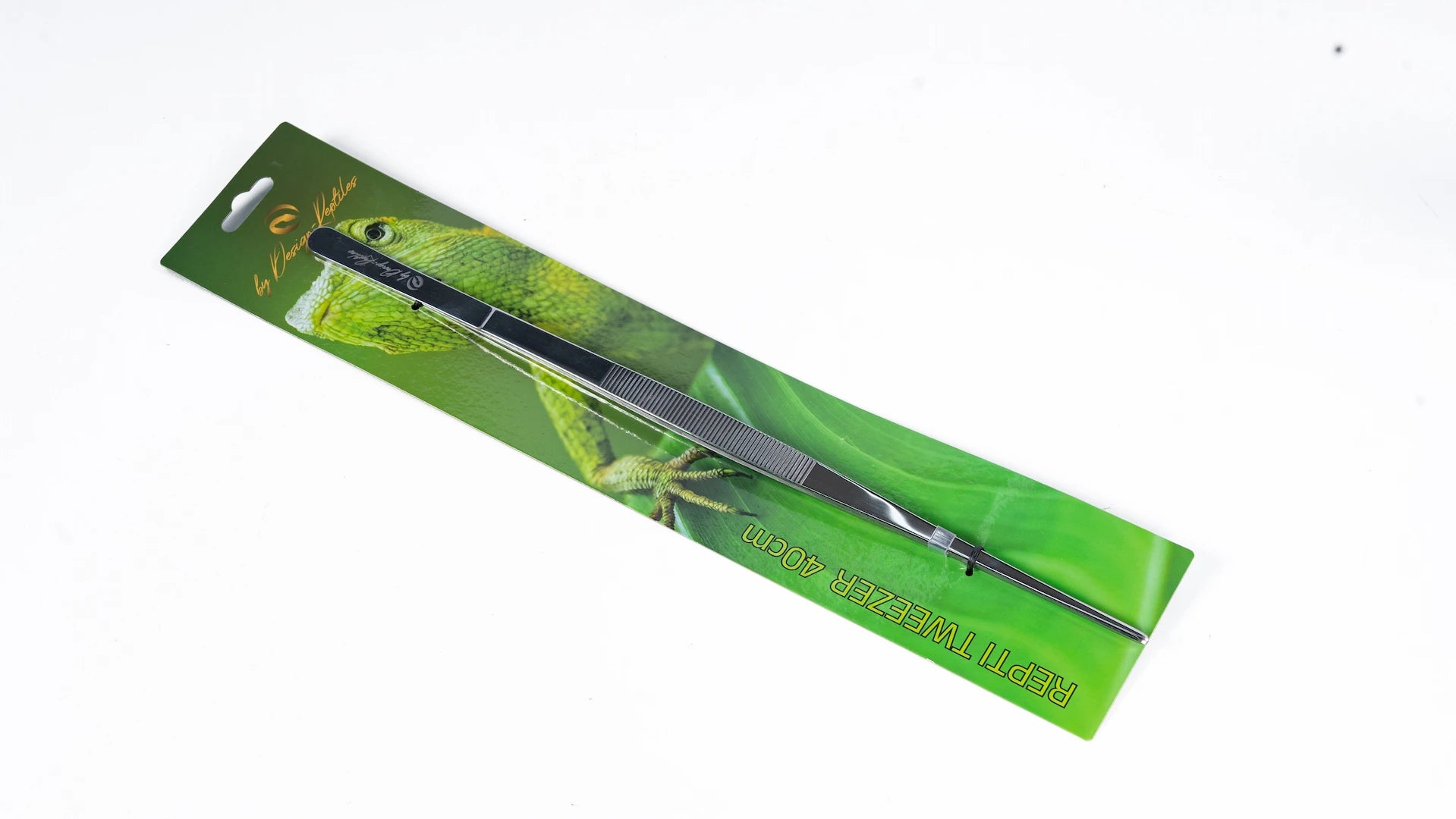
Product Title
$15.99$19.99



Are you looking for something in particular? Discover our best sellers!


Special offer

Bénéficiez de -10 % de remise sur votre première commande avec le code :
.svg)

Varanus scalaris is an Australian arboreal monitor, easily recognised by its spotted pattern and banded tail. Active and agile, it is semi-arboreal and carnivorous.
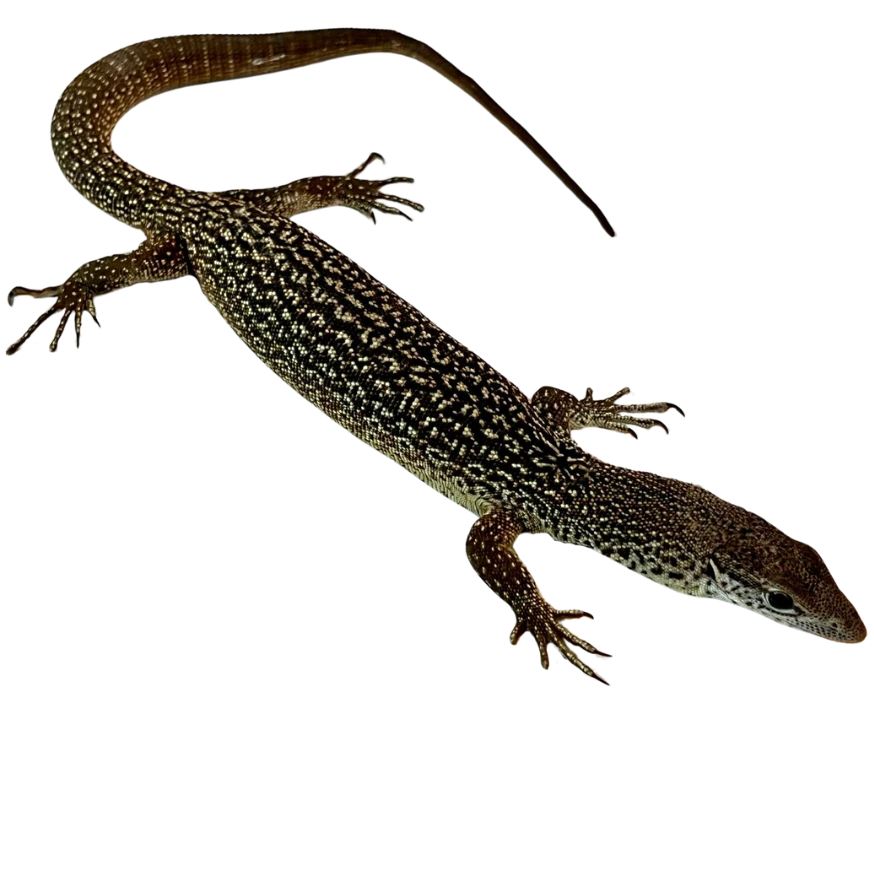


Varanus scalaris, commonly known as the spotted tree monitor, is a species endemic to northern Australia. It is characterised by its modest size, banded tail and variable spotted coloration depending on locality. Semi-arboreal, it makes use of trees, rocks and crevices to move and seek shelter.Most active during the wet season, it can travel considerable distances in search of food. Its diet is opportunistic, ranging from insects and small reptiles to eggs, nestlings and small mammals.In captivity, it requires a spacious enclosure with climbing areas, elevated hides and an appropriate substrate. An ambient temperature of 24–30 °C with a basking spot of 50–60 °C, humidity of 50–70 %, and strong UVB lighting are essential for its well-being.





High-end breeding & selected equipment for demanding reptiles.


.svg)