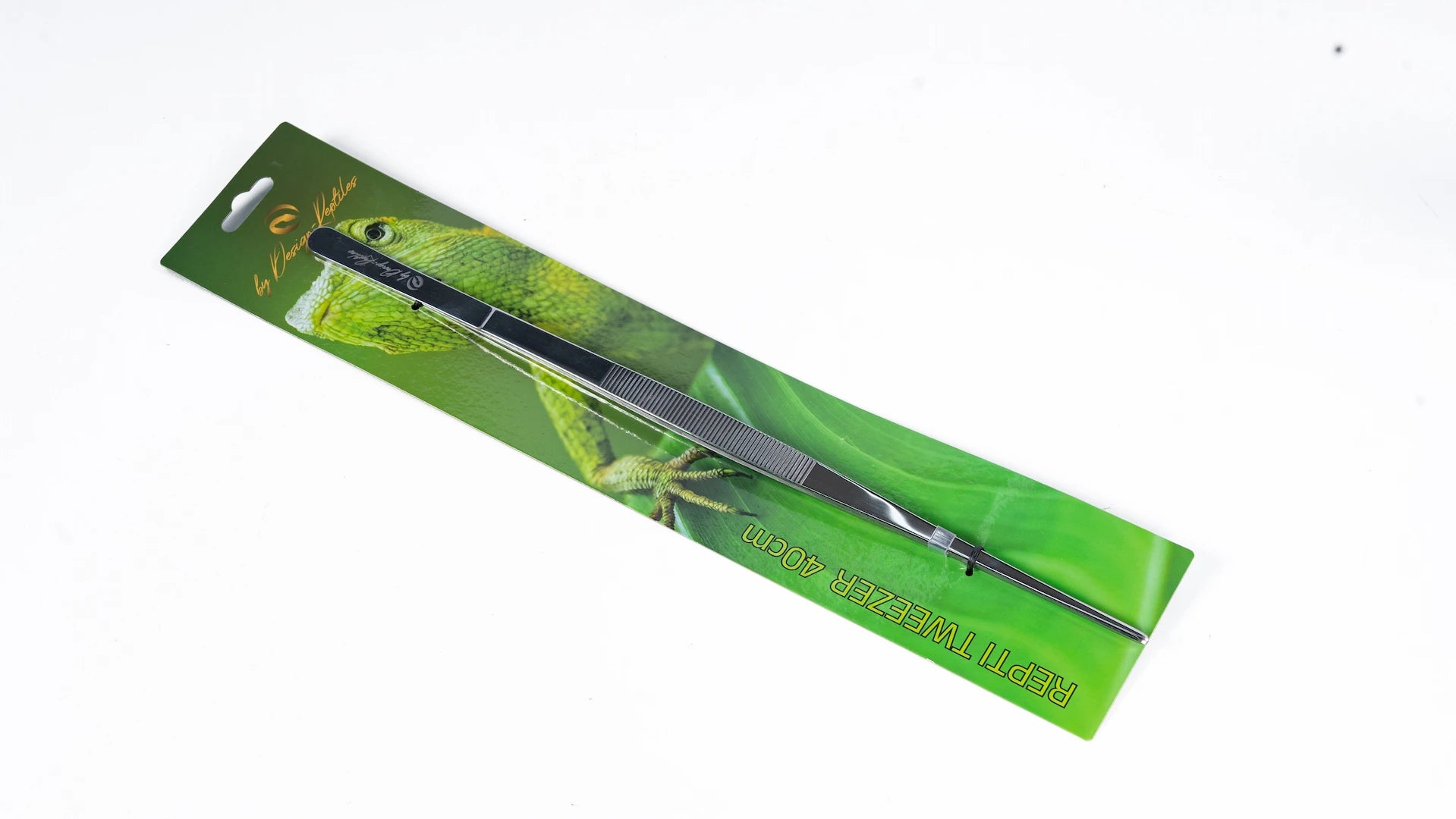
Product Title
$15.99$19.99



Are you looking for something in particular? Discover our best sellers!


Special offer

Bénéficiez de -10 % de remise sur votre première commande avec le code :
.svg)

The Varanus tristis tristis is an Australian monitor lizard, easily recognised by its black head and banded tail. Active and agile, it is a semi-arboreal and carnivorous species.
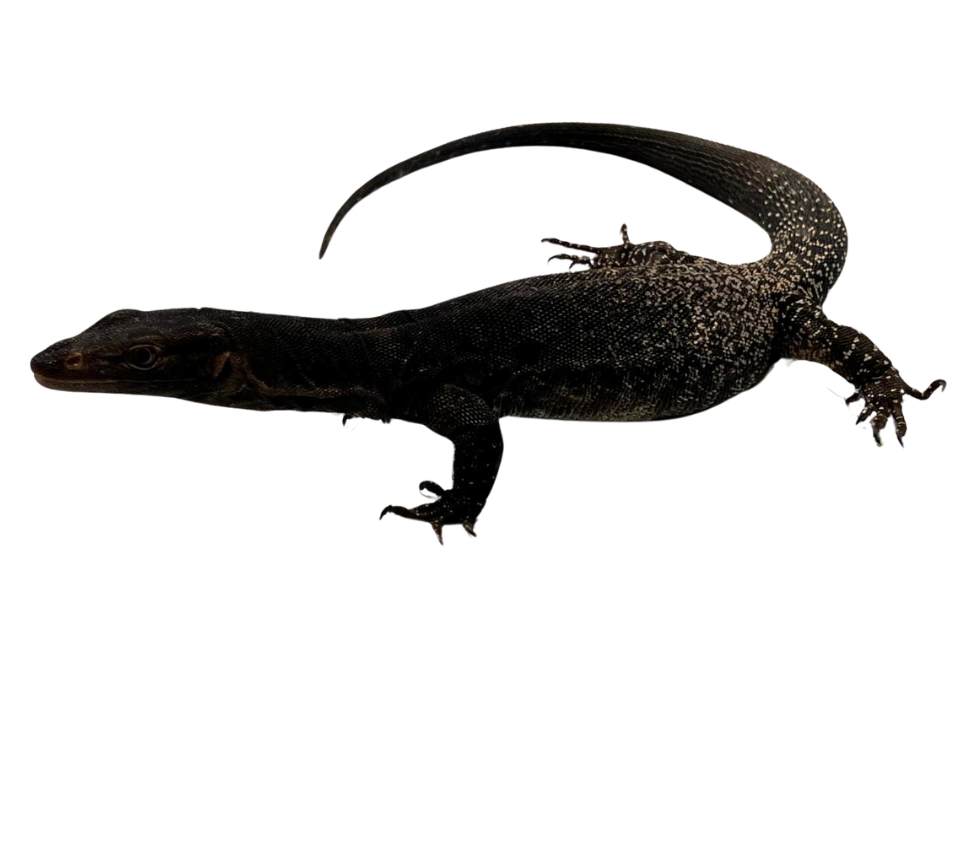

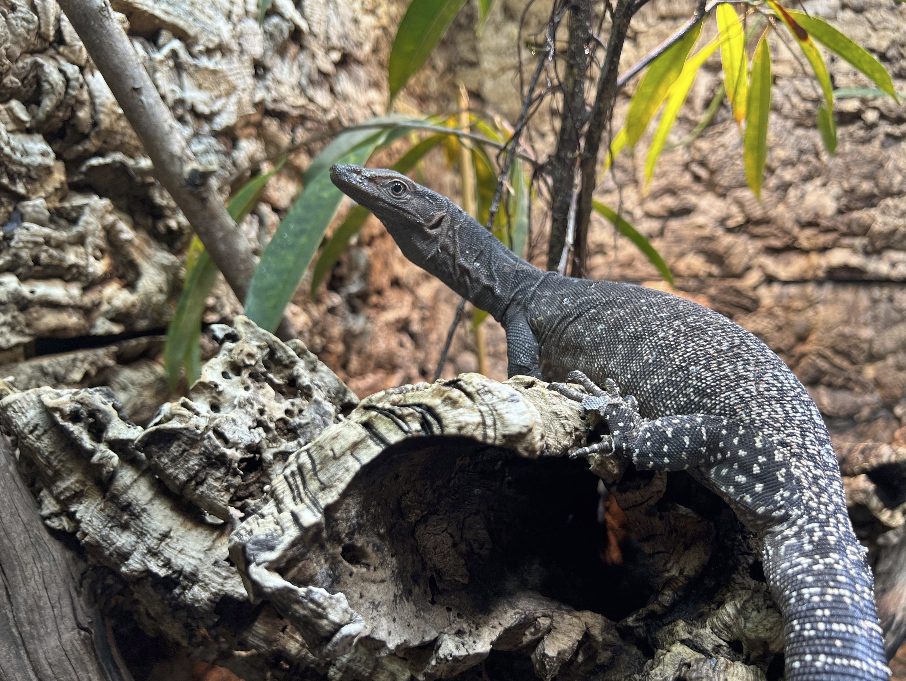
Varanus tristis tristis, commonly known as the black-headed monitor, is a subspecies endemic to Western Australia, particularly around Perth and the surrounding areas. It is distinguished by its dark coloration, black head and banded tail. This semi-arboreal species inhabits jarrah forests and granite outcrops of the Darling Range. It shelters in tree hollows, under loose bark, and in rock crevices.In captivity, V. t. tristis requires a spacious enclosure with sturdy branches for climbing and elevated hides that reflect its natural behaviour. A very intense basking spot (around 50–60 °C) is essential for its well-being. Its diet is varied, consisting of insects, small reptiles, eggs and occasionally small mammals. In the wild, this monitor is highly active and fast-moving, sometimes travelling up to one kilometre per day in search of food. Although naturally wary, gradual acclimation allows the keeper to observe fascinating natural behaviours.





High-end breeding & selected equipment for demanding reptiles.


.svg)