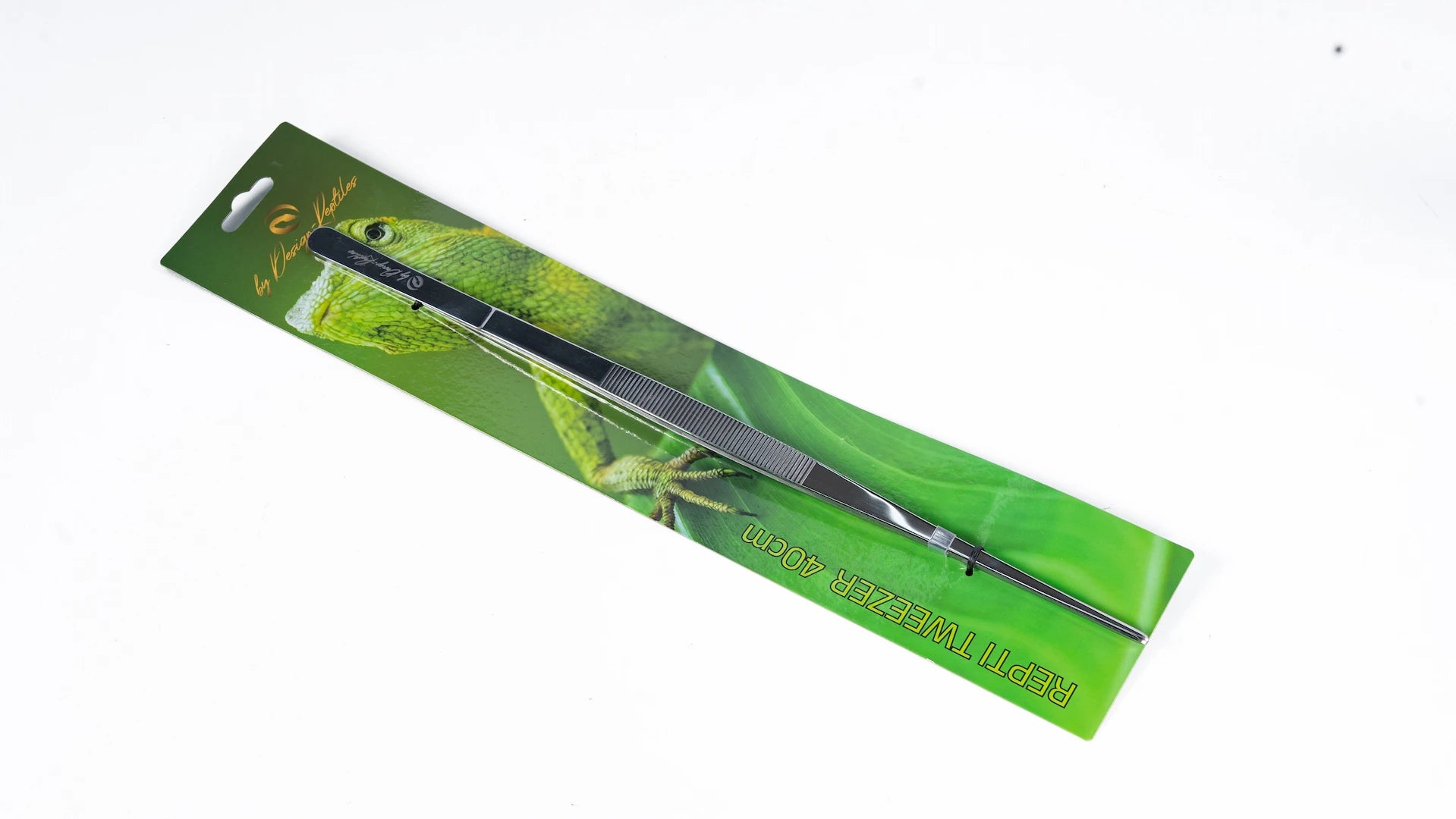
Product Title
$15.99$19.99



Are you looking for something in particular? Discover our best sellers!


Special offer

Bénéficiez de -10 % de remise sur votre première commande avec le code :
.svg)

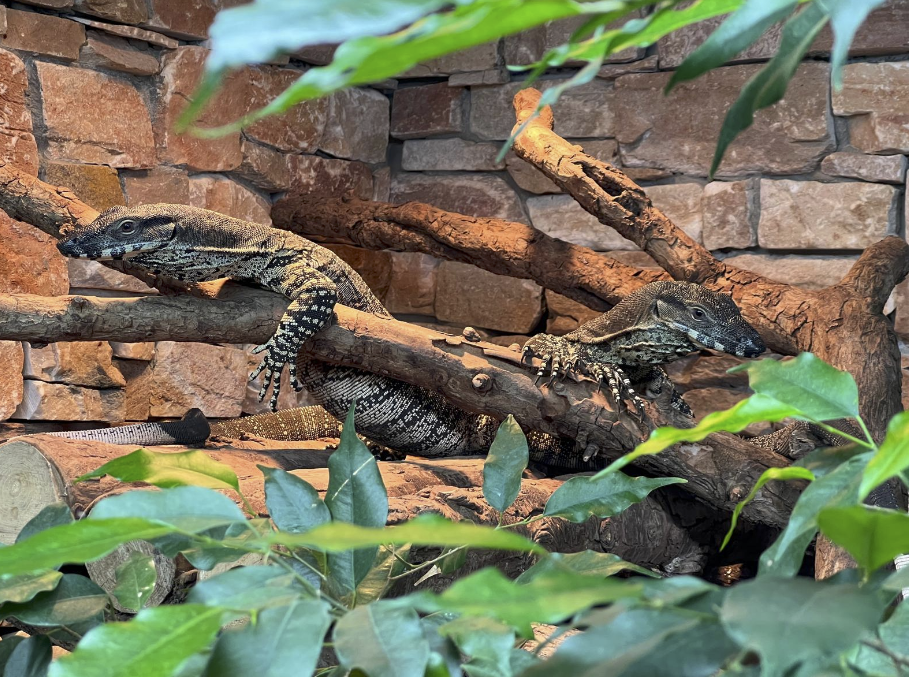
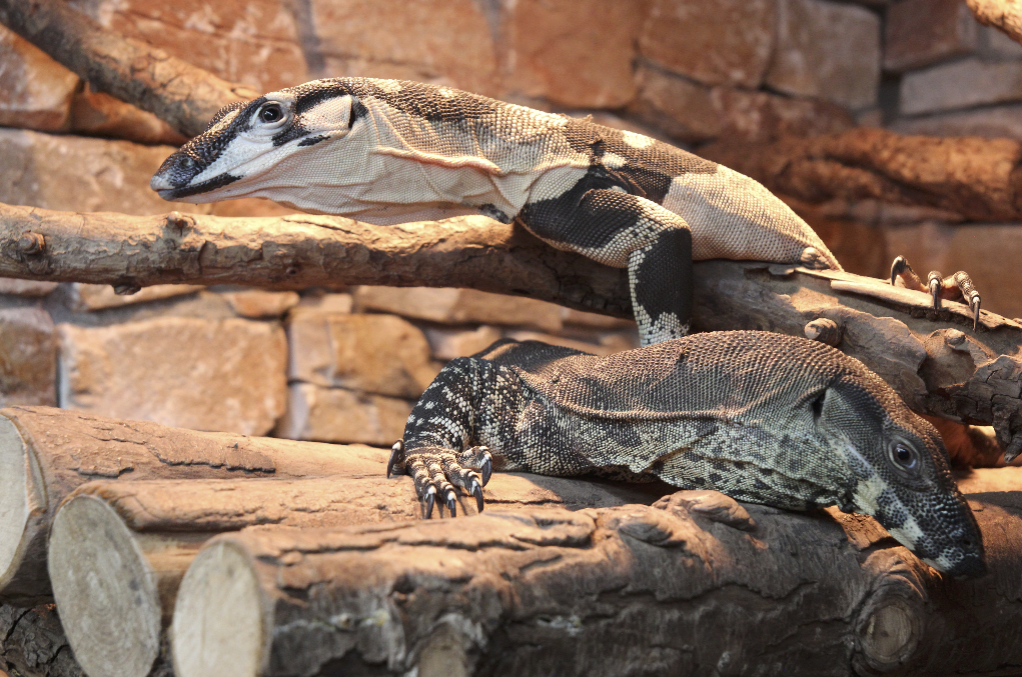
Varanus varius is a large Australian arboreal monitor lizard, easily recognisable by its lace-like patterning. It exists in two natural forms: the classic type and the more contrasted Bell’s Phase.


Varanus varius is an impressive and intelligent monitor native to the open forests and woodlands of eastern Australia. Both arboreal and terrestrial, it is highly active, capable of travelling long distances and climbing with agility thanks to its powerful claws and long semi-prehensile tail.
Its lace-like pattern varies depending on locality:
– the classic form is darker and more speckled,
– the Bell’s Phase shows bright yellow banding with few or no side spots.
This variation is natural, not a genetic mutation.
In captivity, it requires an extremely large enclosure, an intense basking spot, strong UVB lighting and a structured habitat: hollow logs, climbing platforms, hides and a bathing area.
It is an opportunistic omnivore accepting a wide range of prey.
Although it can become accustomed to human presence, this species demands space, rigour and a solid understanding of monitor lizard behaviour.
Both captivating and powerful, it must be kept responsibly.




High-end breeding & selected equipment for demanding reptiles.


.svg)